Why Mining Companies are Investing in Lithium-Ion Battery Storage Cabinets
Lithium-Ion Battery Storage: Are Your Site Standards Keeping Pace?
Lithium-ion battery storage is moving rapidly up the safety agenda for Australian mining operations, and it isn’t difficult to understand why.
- Mine sites are using more battery-powered equipment.
- Awareness of lithium-ion battery hazards is increasing.
- Insurers are examining battery risks more closely.
Proactive HSE teams are asking whether existing charging and storage practices are keeping pace.
The result?
Dedicated lithium-ion battery storage is increasingly becoming part of the conversation around modern mine site risk management.
Mine Sites Are Managing More Batteries
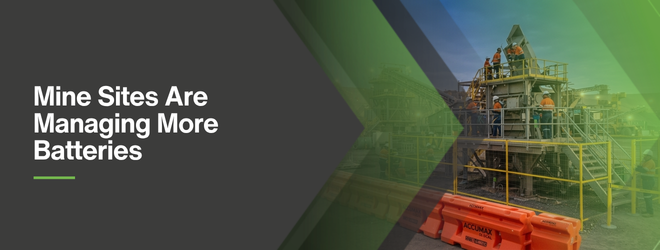
The first driver is simple: scale. Battery-powered equipment is now commonplace across industrial workplaces.
For mining operations, rechargeable batteries can support everything from portable tools and lighting to communications, inspection and surveying equipment. Individual batteries may appear relatively insignificant. Collectively, however, hundreds of batteries being stored and charged across multiple areas create an entirely different management challenge.
More batteries require better systems – not more workarounds.
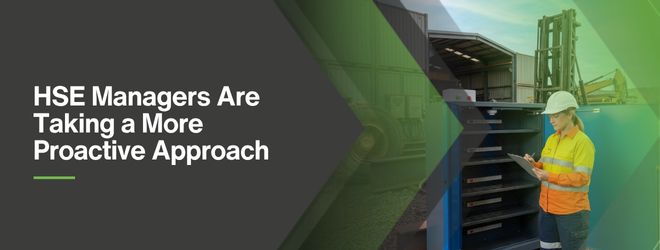
HSE Managers Are Taking a More Proactive Approach
One of the biggest changes isn’t regulatory. It’s cultural. High-performing HSE teams increasingly focus on identifying emerging risks before an incident occurs.
That means asking questions such as:
- Where are batteries currently being charged?
- Are batteries inspected?
- How are damaged batteries identified?
- Where is a compromised battery isolated?
- Are appropriate chargers being used?
- Do workers understand the site’s battery procedures?
Increasingly, mining organisations are recognising that better infrastructure can support better systems.
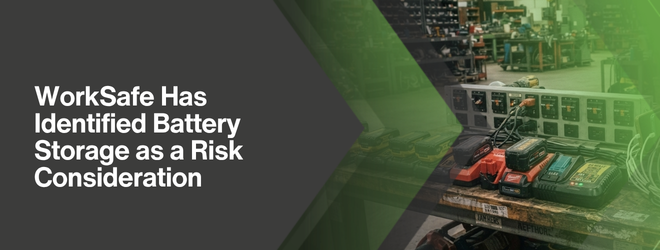
WorkSafe Has Identified Battery Storage as a Risk Consideration
This isn’t simply an emerging industry opinion. WorkSafe WA’s Mines Safety Bulletin on battery hazards identifies storage design as one of the areas associated with battery risk. Potential battery hazards include uncontrolled energy release, extreme heat, electrical risks, chemical exposure and explosion.
The bulletin also identifies inadequate battery cabinet design among potential contributing factors in battery incidents.
For mining organisations, this reinforces the importance of treating battery storage as an engineered workplace consideration rather than simply a housekeeping issue.

Insurance Expectations Are Changing
Insurers are also increasing their focus on lithium-ion battery risk. QBE has identified lithium-ion batteries as an emerging issue for brokers and their clients, noting increasing fires, recalls and insurance claims associated with the technology.
Its guidance suggests organisations with lithium-ion battery exposures should expect deeper underwriting questions, particularly for higher-risk profiles.
The Insurance Council of Australia has also publicly expressed concern about the increasing frequency of lithium-ion battery fires. For major mining organisations with significant property, equipment and business-interruption exposures, demonstrating proactive risk management is increasingly important.
A well-considered battery management system provides evidence that an organisation has identified the exposure and is actively addressing it.
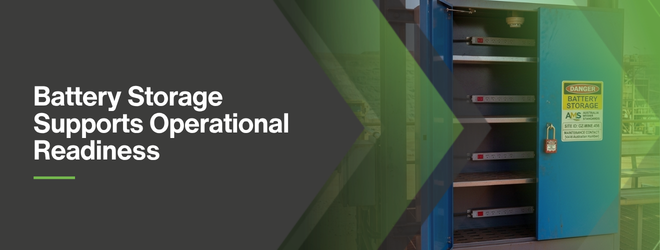
Battery Storage Supports Operational Readiness
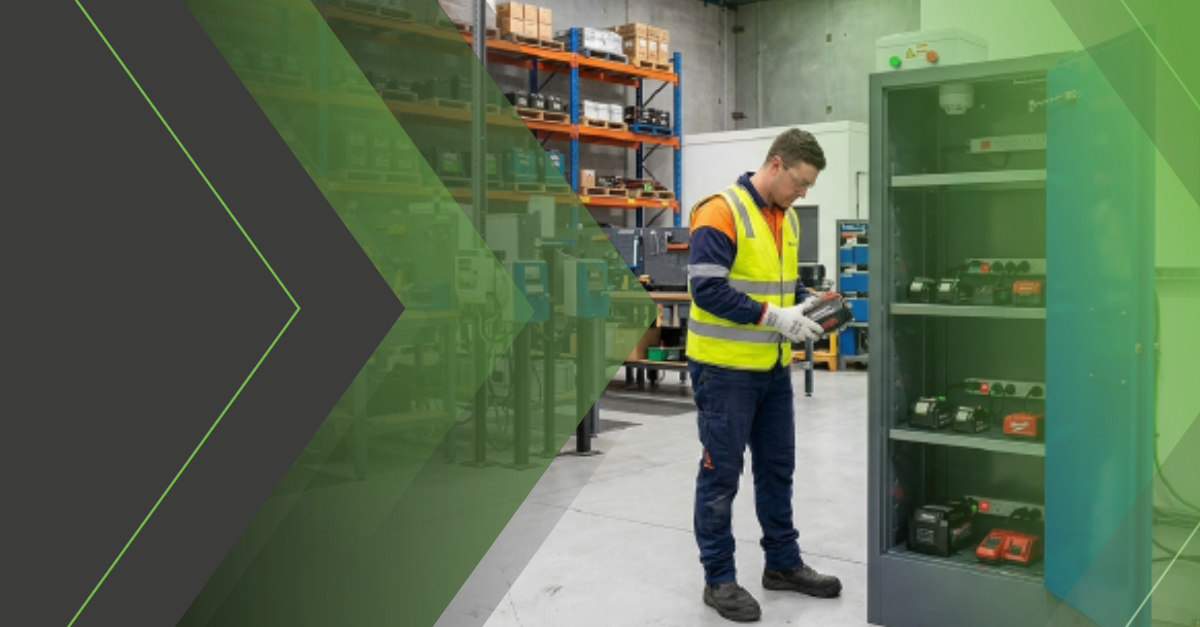
Structured battery storage and charging can help organisations improve visibility and consistency around battery management. This can support equipment readiness while making it easier for workers to identify where charged, discharged or compromised batteries belong.
Better battery management supports better operational readiness.
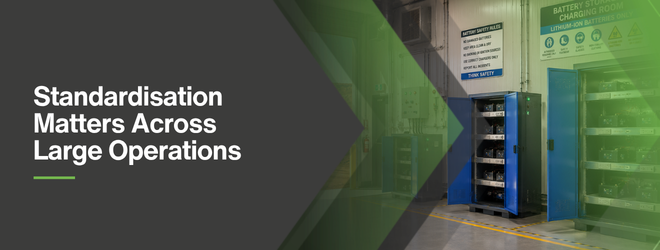
Standardisation Matters Across Large Operations
Mining businesses rarely operate one small workshop. They may have multiple workshops, warehouses, maintenance facilities, contractors and operational areas across numerous sites. Without a defined standard, battery management practices can evolve differently in every location. There is an opportunity to replace this inconsistency with a repeatable battery storage standard.
That management system should incorporate:
- approved battery storage locations
- dedicated charging cabinets
- battery storage cabinets
- inspection procedures
- damaged battery isolation
- signage
- standard charging practices
- training
- emergency procedures.
The cabinet is therefore only one component. The real objective is creating a consistent battery management system.

The Best Time to Address an Emerging Risk Is Before It Becomes a Requirement
There isn’t currently one Australian regulation requiring every mine site to install lithium-ion battery cabinets. That’s an important distinction.
Good safety management isn’t simply about waiting for legislation to prescribe the next control. It’s about recognising when the workplace has changed.
Lithium-ion batteries have changed Australian workplaces, and their use will continue to grow. For mining HSE leaders, the opportunity is to establish appropriate storage and charging standards now; before an incident, insurer recommendation or regulatory development makes the decision more urgent.
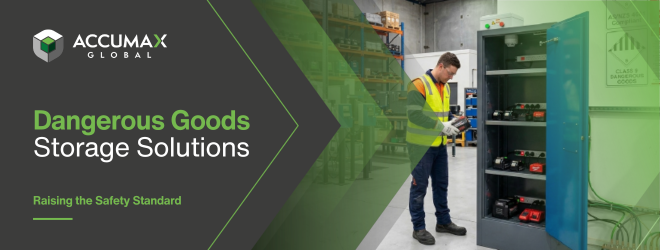
Raising the Safety Standard for Battery Storage
Accumax works with mining and mining contractors to help create safer, more structured battery storage and charging environments.
From dedicated lithium-ion battery cabinets and charging solutions to signage and visual management, we help organisations consider the broader battery management system, not simply the product.
Because a cabinet is a product. A consistent approach to battery management is a safety standard.
Better Inputs = Better Outcomes.
Raise the Safety Standard.