Product Categories

Multipurpose Cable Lockout Devices for Isolation Points

Cable lockout devices secure isolation points that a standard padlock or hasp cannot fit. A flexible cable threads through the handle, valve or switch, then draws tight and locks off. The range covers multipurpose and premier cable lockouts with adjustable cable lengths, suited to electrical, mechanical and valve isolation across industrial and mining sites.
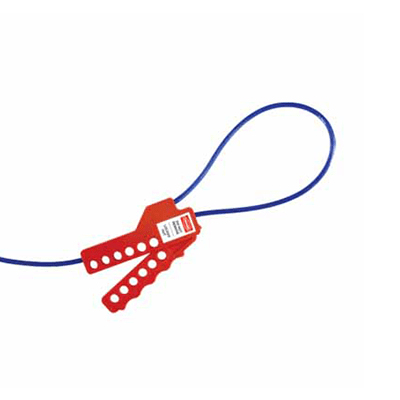
MAX-LKH20

Multipurpose Cable Lockout

Price range: $21.60 through $24.84
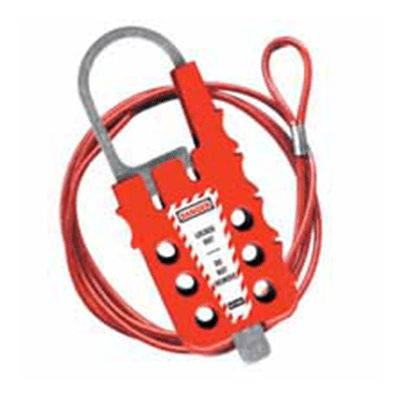
MAX-LKH17

Premier Multipurpose Cable Lockout

Price range: $23.76 through $37.80

Adjustable Cable Lockouts for Awkward and Multi-Point Isolations

Our cable lockout range handles the isolation points that standard devices will not reach. The cable threads through or around the handle, lever, valve wheel or switch, passes back through the body, then draws tight and locks off. Because the cable is flexible and adjustable, one device suits a wide range of shapes and sizes rather than requiring a dedicated fitting for each point. Cable lockouts also suit isolations where several points need securing together on a single device. The two options available differ in cable length and construction, so the right choice depends on the reach required and the conditions it will be used in. Where the locking body accepts multiple padlocks, each worker on the job can apply their own lock as part of a group isolation. When selecting a cable lockout, consider the size and shape of the isolation points, the cable length and diameter needed to reach and secure them, and whether the device will be used indoors or exposed to weather and dust. Devices should be inspected before each use and taken out of use if the cable is frayed or the locking body is damaged.

Cable Lockout FAQs

A cable lockout secures isolation points that a padlock or hasp cannot fit directly. The flexible cable threads through a handle, valve or switch, passes back through the body and draws tight before being locked off.

Use a cable lockout where the isolation point is an awkward shape, will not accept a fitted device, or where several points need securing on one device. Fixed devices suit standard, repeated isolations.

Both are adjustable multipurpose devices that differ in cable length and construction. The right choice depends on the reach you need and the conditions on site. Compare the specifications against your isolation points.

Many cable lockouts take several padlocks through the locking body, so each worker can apply a personal lock for group isolation. The number varies by product, so check the specification before relying on it.

A cable lockout is one device within a documented lock out tag out procedure. The procedure sets the isolation steps, who carries them out, and how energy is verified as isolated. The device secures the point.

Only workers authorised and trained under the site’s isolation procedure. Applying a lockout device is part of a controlled process that includes identifying energy sources, isolating, locking, tagging and verifying isolation.

Yes. Lockout tagout on mining sites commonly involves valves, isolators and switchgear that vary widely in shape, and an adjustable cable device covers points a fitted lockout will not reach.

Match the cable length to the reach between the isolation point and the locking body, allowing enough to pass through and draw tight. Longer cables suit multi-point isolations. Shorter cables reduce slack on single points.

Check the cable for fraying, kinking and corrosion, and check the locking body operates freely and holds the cable under tension. Withdraw any device from service if the cable is damaged or the body will not lock.

No. A lockout device holds an isolation point in position. Equipment is only safe once the site’s full procedure is completed, including verifying all energy sources are isolated and stored energy has been released.

Need Help to Raise the Safety Standards on Your Site?

Our specialised team is here to assist with custom solutions and multi-site safety rollout.