Product Categories

Wheel Nut Indicators for Fleet Walkaround Checks

Wheel nut indicators are fitted over wheel nuts and aligned to point the same way, so a nut that has begun to loosen shows up as an indicator out of position. This lets a driver or operator check wheel security by eye during a walkaround. Supplied in 100-packs in flat and extended shank styles to suit different stud lengths and wheel configurations.
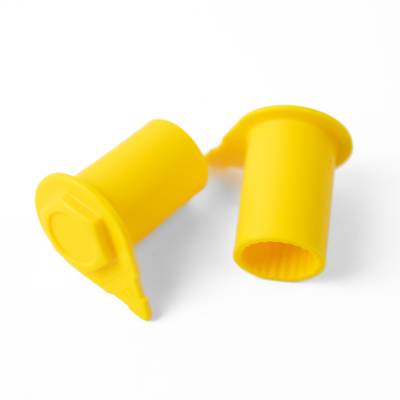
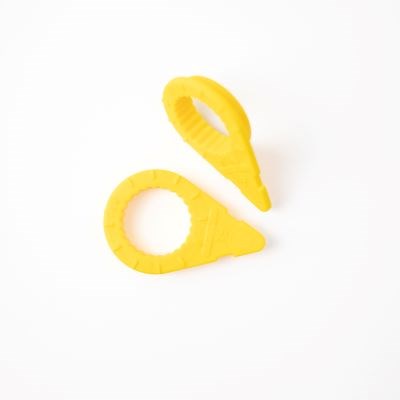
Visual Loose Wheel Nut Detection for Fleets and Plant

Our wheel nut indicator range gives fleet operators and maintenance teams a simple way to monitor wheel nut condition between scheduled torque checks. Each indicator fits over a nut and is set to point the same way as every other indicator on the wheel. If a nut works loose and rotates, its indicator turns with it and no longer lines up with the rest, and that mismatch is visible at a glance from a few metres away. The benefit is how quickly a wheel can be checked. Going over a full set of nuts with a torque wrench takes time and equipment, while a driver walking around a vehicle at the start of a shift can scan the indicators on every wheel in seconds. Bright yellow moulded bodies stay easy to read in poor light and against dirty rims, which suits truck fleets, trailers, buses and mobile plant working in dusty conditions. It is worth being clear about what these products do. An indicator flags that a nut has moved. It does not hold the nut in place or maintain torque, so it supports a torque and inspection regime rather than replacing one. The range covers flat and extended shank styles. Flat indicators suit standard nut and stud arrangements, while extended shank versions reach further along a longer protruding stud and cover the thread at the same time, which helps keep dirt and moisture off it. When ordering, match the indicator to the nut size and stud length across your fleet, decide which style suits each vehicle type, and work out the quantities needed for the wheels you intend to fit.

Flat yellow wheel nut indicators, low profile pointer caps used on truck wheels

Wheel Nut Indicators FAQs

Wheel nut indicators are fitted over wheel nuts and aligned to point in the same direction. If a nut rotates because it has loosened, its indicator sits out of line with the others, giving a visible warning during a walkaround inspection.

The indicator grips the nut, so any rotation of the nut turns the indicator with it. Because every indicator on the wheel starts aligned, movement in one of them stands out clearly against the rest.

No. An indicator makes loosening visible but does not secure the nut or maintain torque. They are used to support a torque and inspection regime, not to replace one.

Flat indicators suit standard nut-and-stud arrangements. Extended shank indicators extend farther along a longer protruding stud and cover the thread, helping keep dirt and moisture off it.

Indicators are sized to the wheel nut, so the nut size across the flats determines which product fits. Stud length also matters when deciding between flat and extended shank styles. Check the specifications of the individual product against your fleet before ordering.

They are used across truck and trailer fleets, buses and coaches, mobile plant, mining vehicles and any operation where wheel security is checked as part of a daily or pre-start inspection.

Push each indicator onto a correctly torqued nut, then set them all to point the same way. Fit them only after torquing; never use them to mark untorqued nuts, since alignment only proves nothing has moved since fitting.

Scan them at every pre-start or walkaround inspection, which takes seconds per wheel. Any indicator sitting out of line with the rest means that nut needs checking with a torque wrench before the vehicle moves.

Yes, over time. Heat, UV exposure and repeated removal wear the plastic, and a split or loose indicator can rotate on its own without the nut moving. That produces false readings, so worn units should be replaced.

Only if undamaged and still gripping firmly. Removal often stresses the plastic, so many fleets treat them as consumable and fit fresh indicators when nuts are retorqued after a wheel change or tyre service.

Need Help to Raise the Safety Standards on Your Site?

Our specialised team is here to assist with custom solutions and multi-site safety rollout.