Carpark and road safety products control vehicle speed, guide parking and prevent unintended vehicle movement across car parks, access roads and site laydown areas. The range includes rubber speed humps, rubber and concrete wheel stops, and rubber wheel chocks. These products suit commercial car parks, industrial facilities and mine site traffic management applications across Australia.
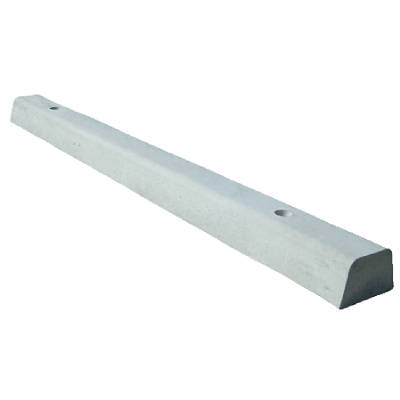
Our carpark and road safety range gives sites a practical way to manage vehicle movement where people, plant and vehicles share the same space. Speed humps slow traffic through car parks and access roads, wheel stops mark the limit of a parking bay and protect what sits behind it, and wheel chocks hold a parked vehicle in position while work is carried out. Speed humps are available in economy and premium rubber formats, with options to suit the lane width and the volume of traffic passing over. Wheel stops come in rubber and concrete, with rubber typically chosen where a bay may need to be reconfigured and concrete where the layout is permanent. Rubber wheel chocks are used across light vehicles, heavy equipment and mobile plant, and are a standard control before anyone works on or around a parked machine. When specifying carpark and road safety products, consider the type and weight of vehicles using the area, whether the installation is permanent or temporary, the surface being fixed to, and the visibility needed at night or in dust. Confirm the product dimensions and fixing method against local council requirements and the relevant Australian Standards before installing across a car park or site road.
Carpark and road safety products include speed humps, wheel stops and wheel chocks. Accumax supplies rubber speed humps, rubber and concrete wheel stops, and rubber wheel chocks for car parks, access roads and site laydown areas.
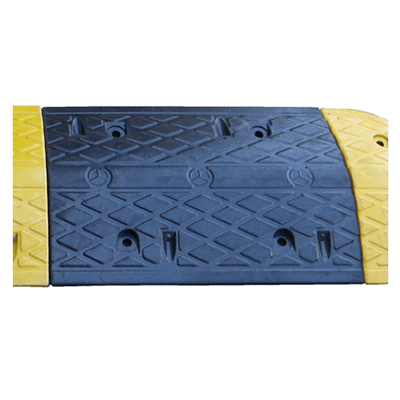
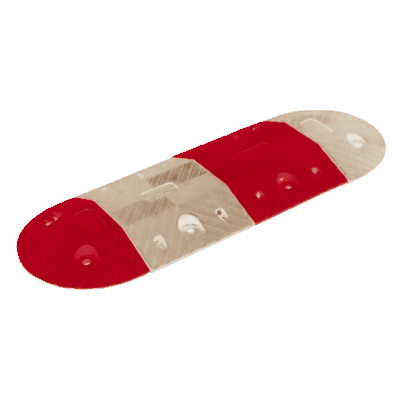
Speed humps slow vehicles where traffic and pedestrians share space, including car parks, driveways and internal access roads. Lower approach speeds give drivers more time to react and reduce the severity of any impact
Both are rubber speed humps that differ in construction and price point. The right choice depends on traffic volume, vehicle weight and how long the hump stays in place. Compare each product’s specifications against your site conditions.
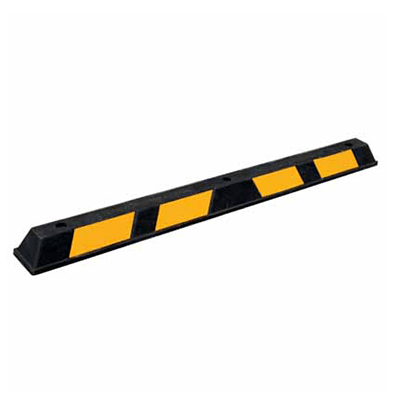
A wheel stop is a barrier fixed at the head of a parking bay to stop a vehicle rolling or driving past the intended position. It protects walls, walkways, fencing and equipment behind the bay and gives drivers a clear reference point.
Rubber wheel stops are lighter and easier to relocate, so they suit car parks where the layout may change. Concrete wheel stops are heavier and suit permanent bays. Vehicle type and whether the layout is fixed usually decide it.
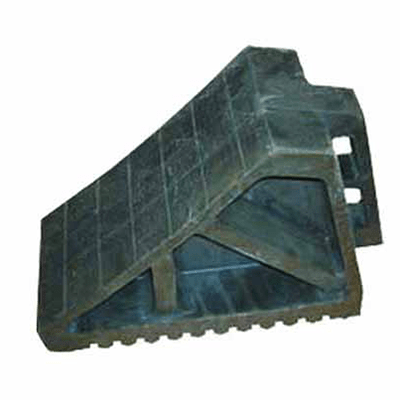
A wheel chock is placed against a tyre to stop a parked vehicle or item of mobile equipment moving unintentionally. Wheel chocks are used during loading, unloading, servicing, inspections and whenever equipment is parked on a grade.
Chock heavy equipment and mobile plant before working on or near it, before loading or unloading, and whenever it is parked on a grade. Site procedures set the exact requirement, so check the rules for that vehicle class and task.
Yes. Rubber speed humps, wheel stops and wheel chocks are all used outdoors in car parks, on access roads and across site areas. High visibility detailing helps them stay visible at night, and the fixing method should suit the surface.
Speed humps, wheel stops and wheel chocks are the physical controls in mine site traffic management, used alongside signage, delineation and barriers. They slow vehicles, define parking positions and prevent mobile equipment moving.
Match the product to the vehicle types and weights using the area, whether the installation is permanent or temporary, and the surface you are fixing to. Confirm dimensions and fixing requirements against local council conditions.
Our specialised team is here to assist with custom solutions and multi-site safety rollout.