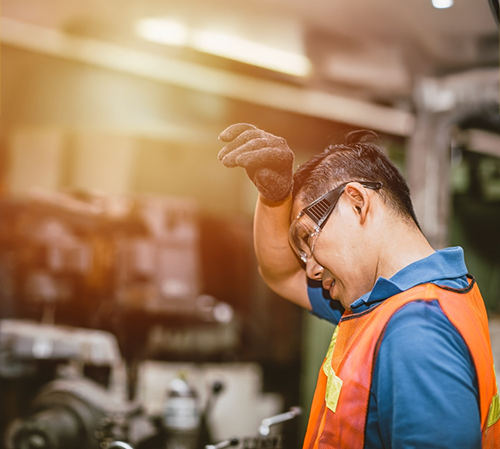
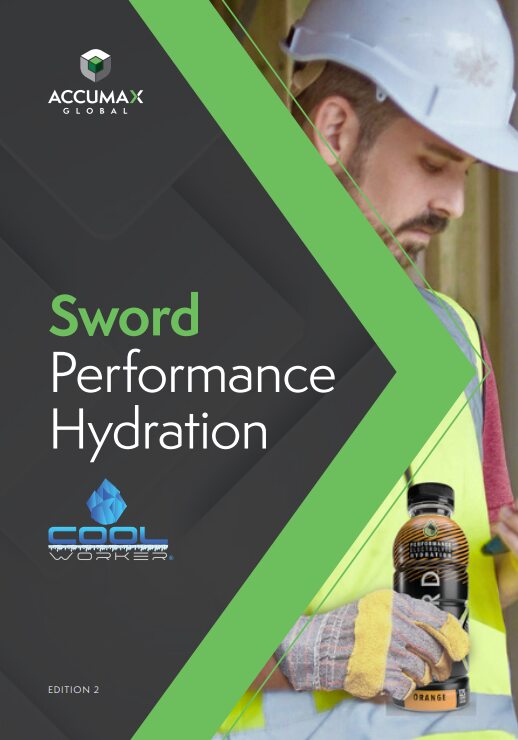
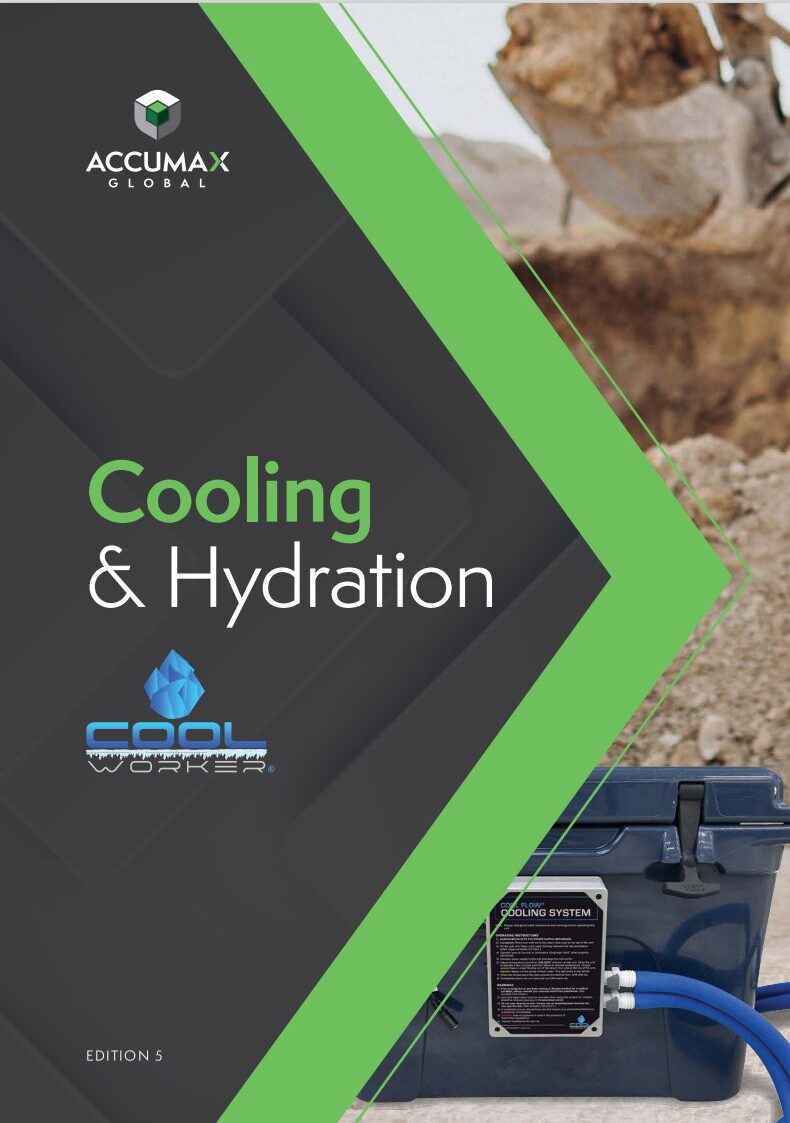
Heat stress is one of the most significant environmental risks facing Australia’s mining and industrial workforce.
Long shifts, remote locations, physically demanding work and mandatory PPE all place additional strain on workers operating in high temperatures.
Without effective controls, dehydration and elevated body temperature reduce concentration, slow reaction times and increase the likelihood of fatigue-related incidents. For mine operators and contractors, this impacts not only workforce wellbeing but also productivity, shutdown performance and operational continuity.
Safe Work Australia identifies working in heat as a significant workplace hazard, increasing the risk of dehydration, heat-related illness, fatigue and reduced cognitive performance. Effective hydration, cooling and work practices are essential controls for reducing these risks.
Best-practice sites integrate heat management into their critical risk controls by providing:
Leading mining operations understand that hydration is only one part of an effective heat stress management program.
Heat stress management isn’t about reacting when someone becomes unwell. It’s about implementing practical controls that protect workers before heat becomes a safety incident.
When controls work together, they help reduce fatigue, improve decision-making and keep crews operating safely throughout every shift.
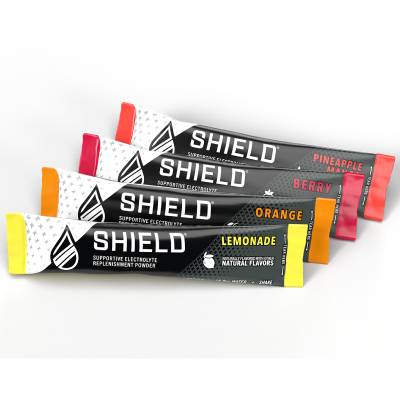
Mining sites can reduce heat stress by implementing a combination of engineering and administrative controls, including readily available hydration stations, electrolyte replacement, cooling apparel, shaded rest areas, work-rest schedules, worker education and heat stress monitoring. A proactive approach helps protect workers before symptoms develop.
Early warning signs include excessive sweating, thirst, fatigue, headache, dizziness, muscle cramps, nausea and reduced concentration. Workers experiencing these symptoms should stop work, move to a cooler area, rehydrate and seek assistance before the condition progresses.
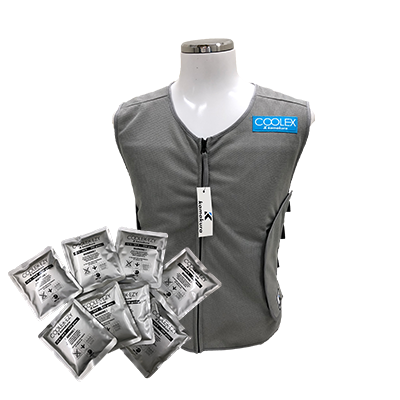
Yes. Cooling apparel is designed to help regulate body temperature by providing evaporative or phase-change cooling. When used alongside hydration and other heat management controls, cooling vests, towels and neck wraps can improve worker comfort, reduce heat strain and support productivity during extended periods in hot conditions.
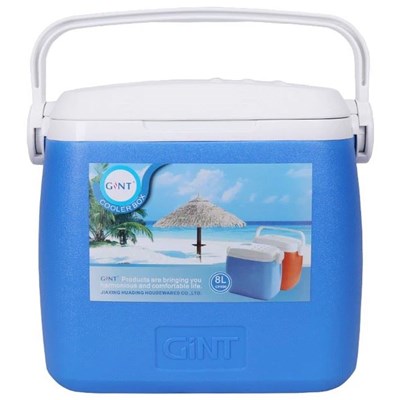
A comprehensive heat stress management solution may include hydration stations, electrolyte products, insulated water coolers, hydration packs, cooling apparel, cooling accessories, heat stress signage, first aid equipment and other workplace safety products. Combining these solutions helps organisations create a safer, more resilient workforce while supporting compliance with workplace health and safety obligations.
Heat stress on mine sites is caused by a combination of high ambient temperatures, physically demanding work, prolonged exposure to direct sunlight, humidity and the use of heavy personal protective equipment (PPE). Long shifts, remote work environments and limited opportunities to cool down can further increase the risk. Without effective controls, heat stress can lead to fatigue, reduced concentration and serious heat-related illness.
Dehydration impacts both physical and mental performance. Even mild dehydration can reduce concentration, slow reaction times and impair decision-making, increasing the likelihood of mistakes, near misses and workplace incidents. Maintaining proper hydration is one of the simplest and most effective ways to improve worker safety and performance in hot conditions.