Product Categories

Oil Recovery Trolleys for Servicing and Waste Oil Transport

Oil recovery trolleys give maintenance crews a mobile way to drain, contain and move waste oil during servicing work. The bunded construction holds recovered fluid within the unit while it is wheeled from the plant being serviced to the disposal or decanting point. They suit workshops, mine sites and heavy vehicle maintenance areas where oil changes and fluid drains are routine work.
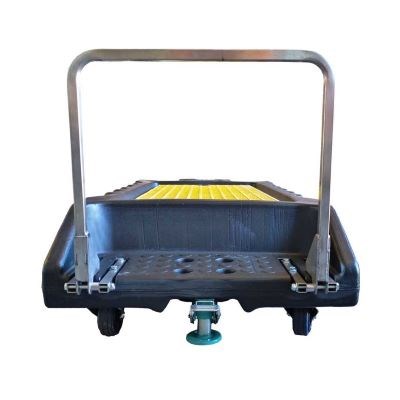
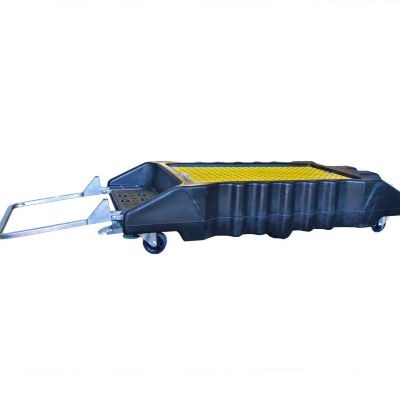
MAX-ORT

Oil Recovery Trolley

Price range: $1,765 through $3,354

Mobile Waste Oil Containment for Maintenance Crews

Our oil recovery trolley range provides a practical way to capture and transport waste oil and used fluids during plant and vehicle servicing. The trolley is positioned under the machinery being drained, catches the fluid as it comes out, then holds it contained while the unit is wheeled away to the waste oil store or disposal point. This removes the need to decant fluid into open drums or carry containers by hand across a workshop floor. Bunded construction is central to how these trolleys work. Recovered fluid is held within a containment body rather than an open tray, which keeps it inside the unit during transport and reduces the chance of drips and spills across walkways and work areas. Combined with the wheeled base, this lets crews shift a full load of waste oil in one controlled movement rather than several trips. Oil recovery trolleys serve a different purpose from bunded pallets and bunded trolleys. Bunded pallets sit under drums and containers as a static secondary containment measure, while an oil recovery trolley is a working unit built to receive fluid directly during a drain and then move it. When selecting a trolley, consider the volume of fluid drained in a typical service, the clearance available beneath the plant, the distance and surface the unit needs to travel and how the fluid will be transferred out at the end. Used alongside spill kits and absorbents, oil recovery trolleys help keep maintenance areas cleaner and support safer handling of waste fluids on site.

Oil Recovery Trolleys FAQs

An oil recovery trolley captures waste oil draining from machinery or vehicles during servicing, then contains it while the unit is wheeled to the disposal or decanting point. It removes the need to catch fluid in open containers or carry it by hand.

The bunded body holds recovered fluid within a containment area rather than an open tray, so liquid stays inside the unit while it is being moved. This reduces the risk of drips and spills across workshop floors and walkways.

An oil recovery trolley is built to receive fluid directly during a drain and transport it. A bunded trolley carries drums or containers with secondary containment underneath in case those containers leak. The two serve different points in the fluid handling process.

They suit workshops, mine site maintenance areas, heavy vehicle and plant servicing bays, and any facility where oil changes and fluid drains are carried out regularly.

These trolleys are used for waste oil and similar used fluids from plant and vehicle servicing. Always confirm the unit is compatible with the specific fluid, and check your site’s requirements for handling and disposing of that waste stream.

Consider the volume of fluid drained in a typical service, the clearance available under the plant being serviced, the distance and floor surface the unit must travel over, and how the fluid will be pumped or decanted out at the end. Confirm the specifications of the individual product suit the application.

Recurring causes include hose wear, electrical component failure and hydraulic oil reaching the exhaust, with loose fittings and uncleaned fuel residue after servicing. Control through post-maintenance inspection, leak repair and cleanliness.

Size the unit to the largest single drain it will handle, with headroom left over. A trolley that fills mid-drain means stopping to decant, which defeats the purpose of a mobile unit.

Yes. Mixing oil with coolant or solvents can make the entire volume harder and more expensive to dispose of, so most sites run a dedicated unit for each waste stream they generate.

Check the wheels, castors and the containment body before each use, and look for cracks, weeping seams or residue on the outside of the unit. A leaking trolley moves the problem rather than containing it.

Need Help to Raise the Safety Standards on Your Site?

Our specialised team is here to assist with custom solutions and multi-site safety rollout.