Shutdowns, routine maintenance and plant servicing often introduce multiple hazards at once. Traffic conditions can shift quickly, exclusion zones need to be established, stored energy must be isolated, and fuels, lubricants or chemicals may need to be handled safely within active work areas.
These environments are rarely static. Work zones change, access routes are adjusted, plant and vehicles continue operating nearby, and maintenance teams are often required to work under time pressure. Without the right controls in place, these conditions can increase the likelihood of incidents, reduce site awareness and make safe coordination more difficult.
Poor visibility, unclear access routes, uncontrolled plant movement, ineffective isolation procedures and inadequate spill controls can all contribute to higher operational risk during maintenance activities.
Maintenance safety systems must help teams to:
Accumax helps organisations raise the safety standard through practical maintenance safety solutions designed to improve visibility, control access, support isolation and manage spill risk across shutdowns, servicing and temporary works. Together, these solutions help reduce operational risk, improve site control and support safer, more controlled maintenance environments.
Maintenance work often creates temporary hazards, changing access routes and active work zones that need to be clearly managed. Effective site control helps reduce confusion, limit unauthorised access and support safer movement of workers, vehicles and plant during shutdowns, servicing and repairs.
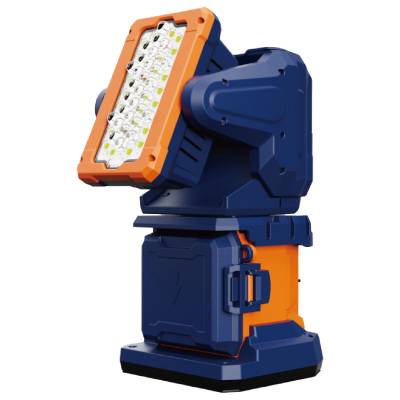
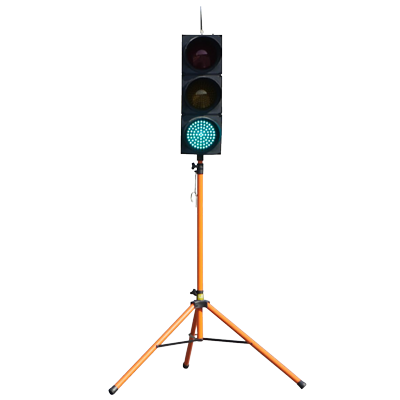
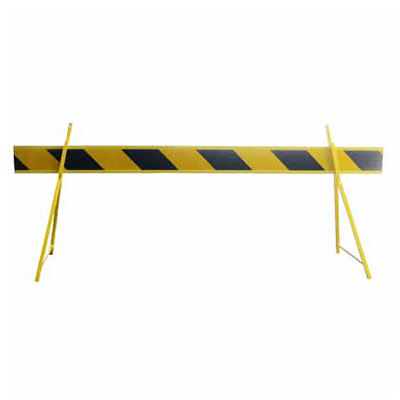
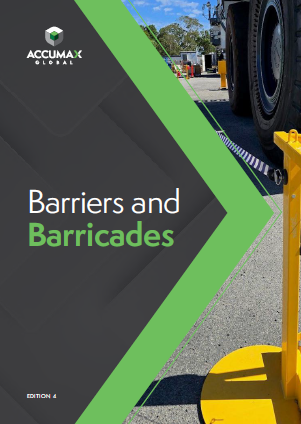
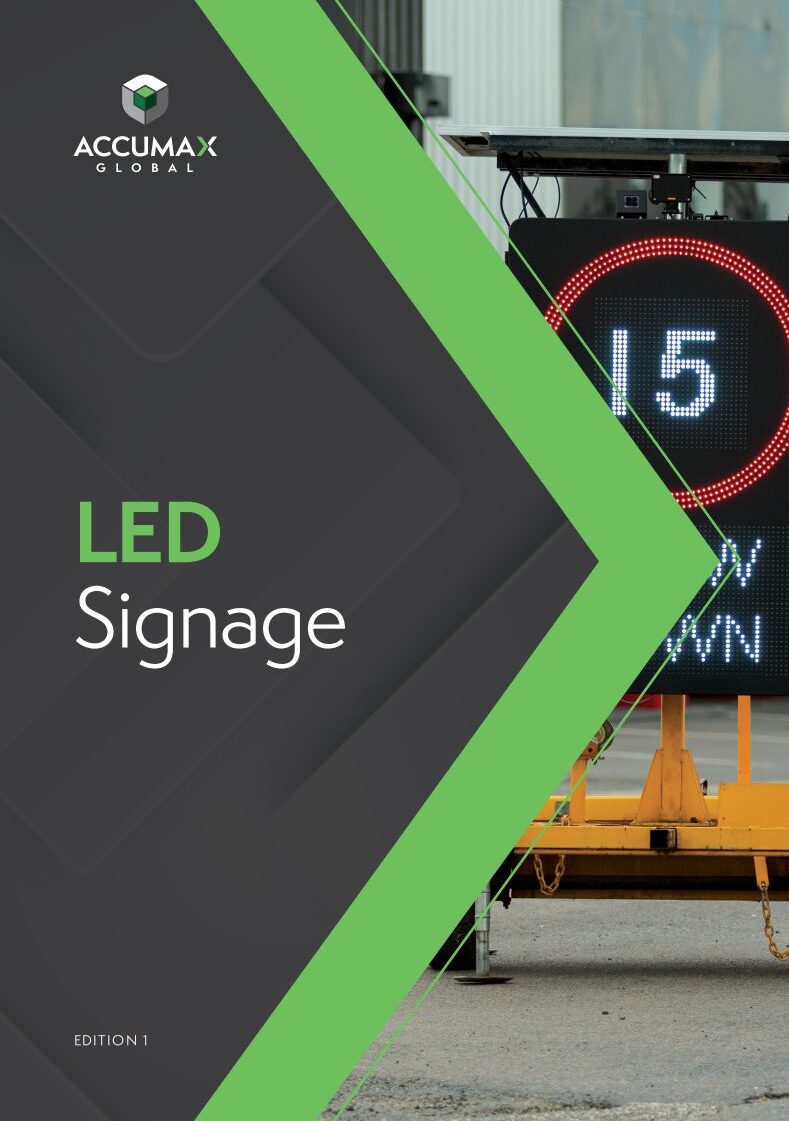
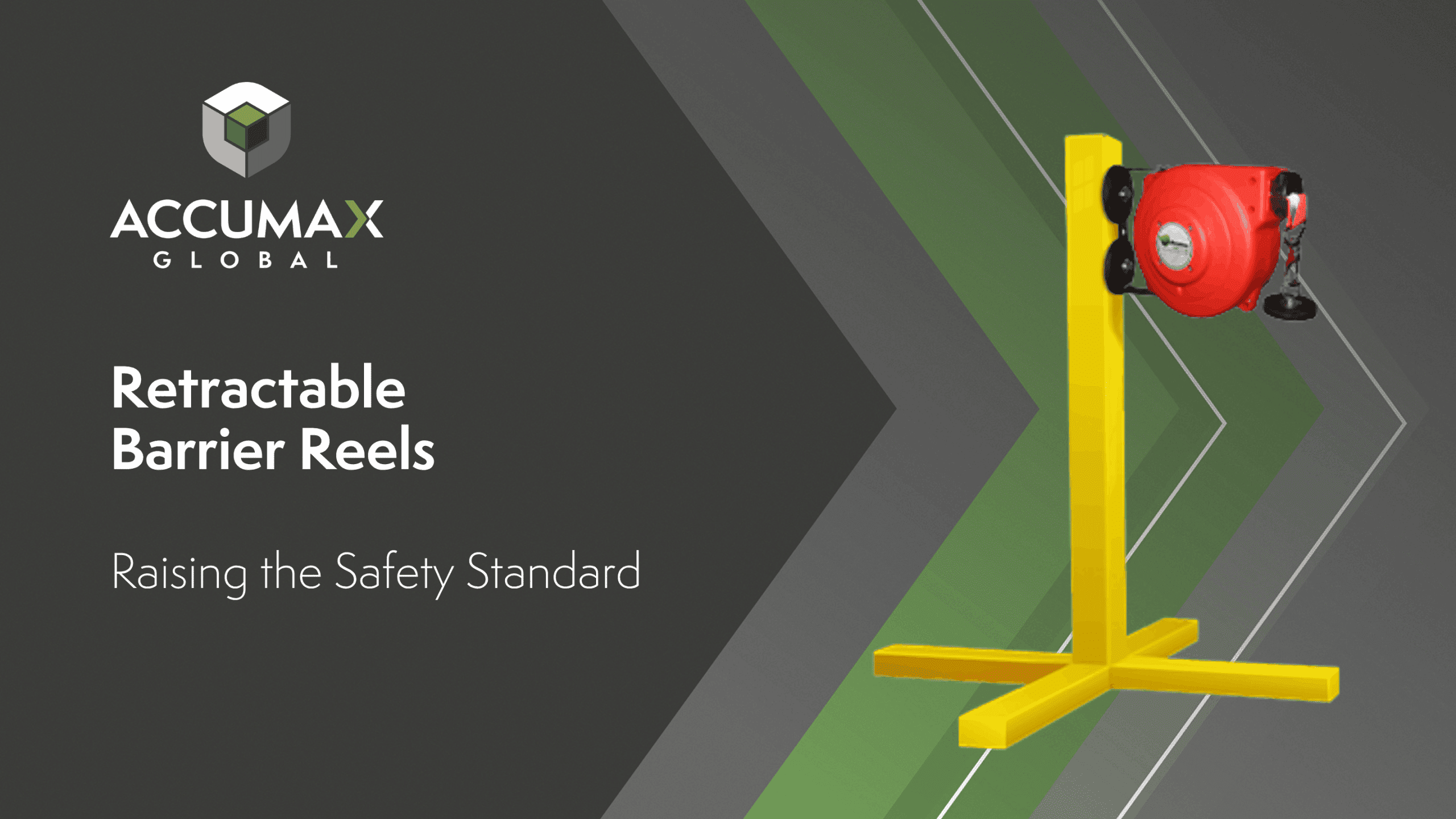
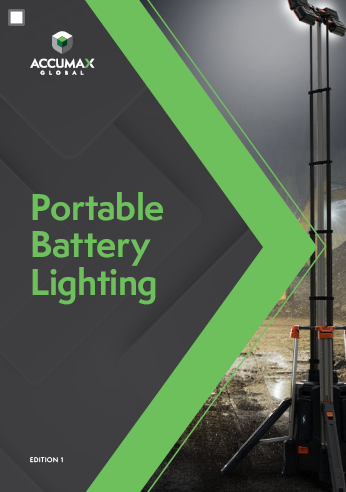
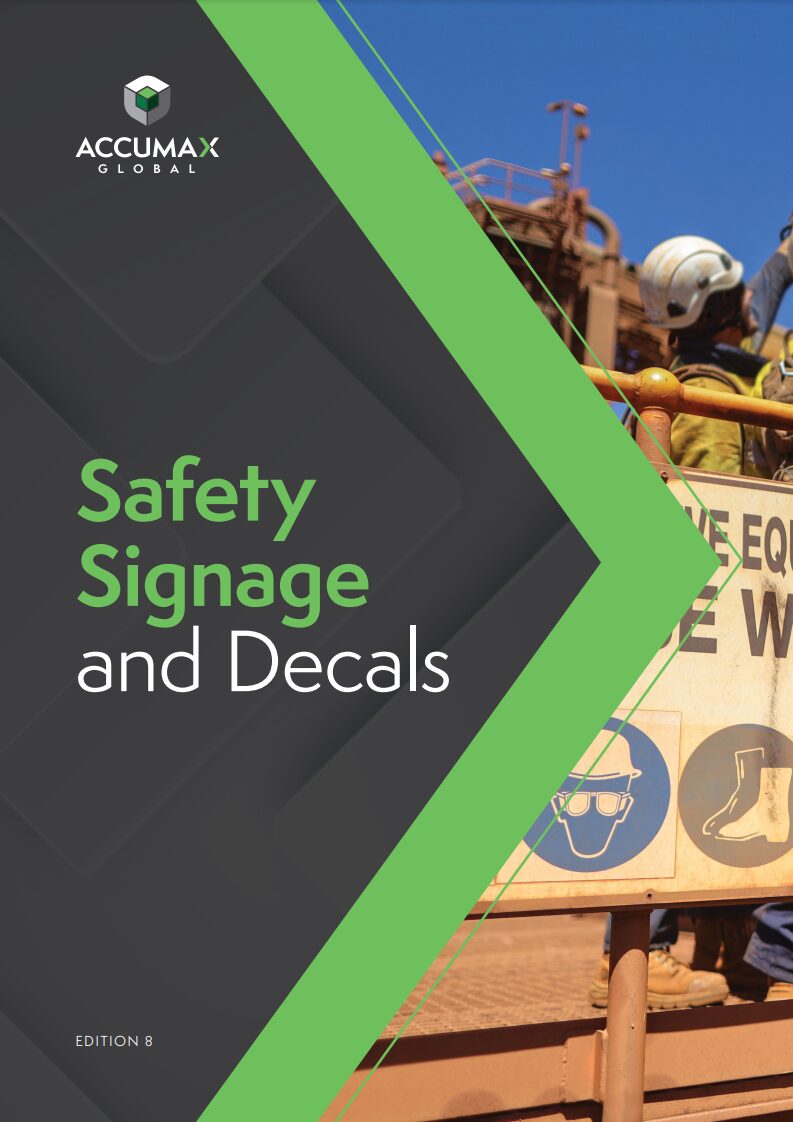
Temporary maintenance work zones are typically managed using barriers and barricades, LED signage, guide posts, delineation products and portable lighting. These solutions help defi ne exclusion zones, communicate hazards and improve visibility in changing site conditions.
Exclusion zones help separate workers from moving plant, restricted areas, hazardous tasks and temporary routes. Clearly defi ned zones improve site awareness, reduce interaction risk and support safer coordination across maintenance activities.
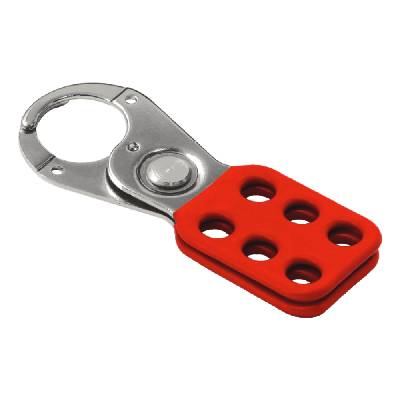
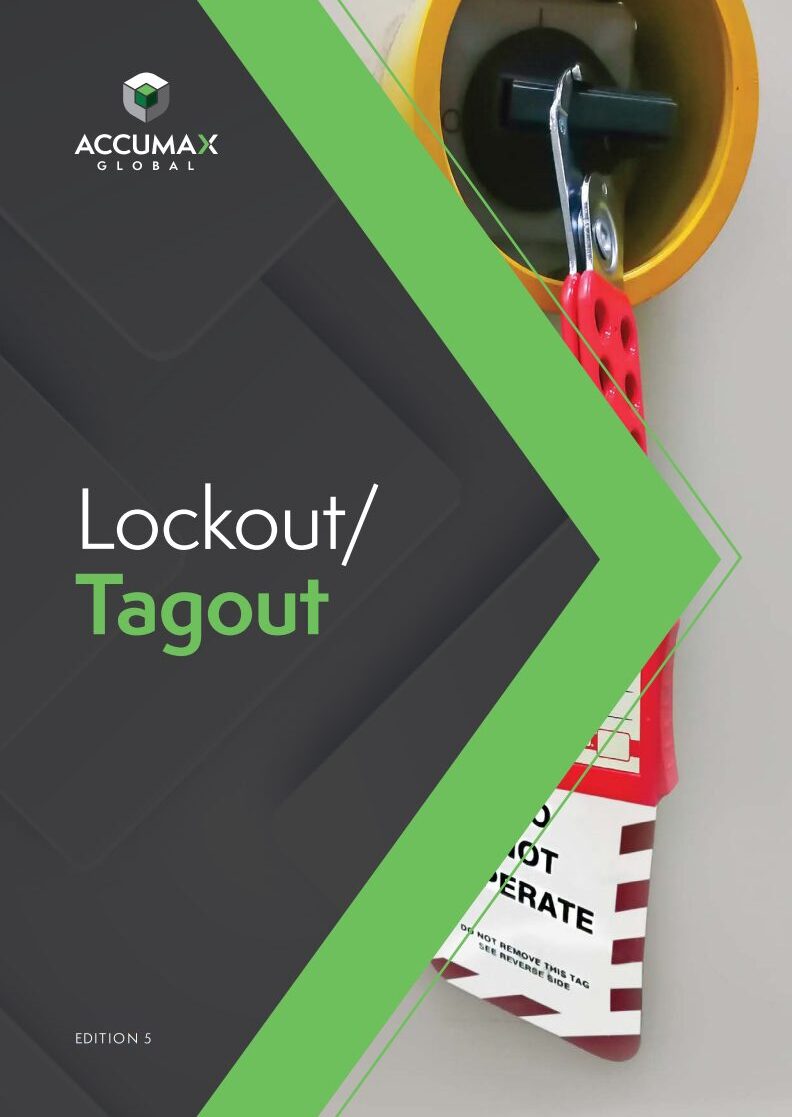
Lockout tagout systems help isolate stored energy and prevent equipment from being accidentally re-energised while work is being carried out. Padlocks, hasps, cable lockouts and electrical lockout devices support compliant isolation procedures and help protect maintenance teams during servicing and shutdown works.
Scaffold tags and out of service tags provide clear visual identifi cation of equipment status. They help communicate whether scaffolding, plant or equipment is safe to use, under inspection or unavailable for operation, supporting safer decision-making on site.
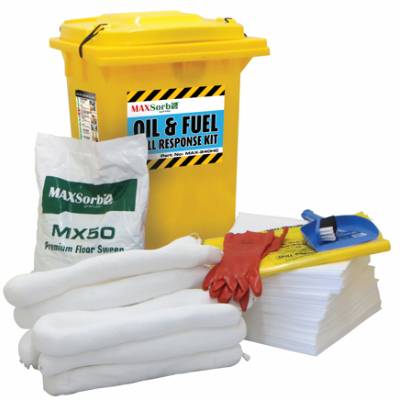
Maintenance work often involves fuels, lubricants, coolants and chemicals that can create slip hazards, environmental risk and compliance issues if not properly controlled.
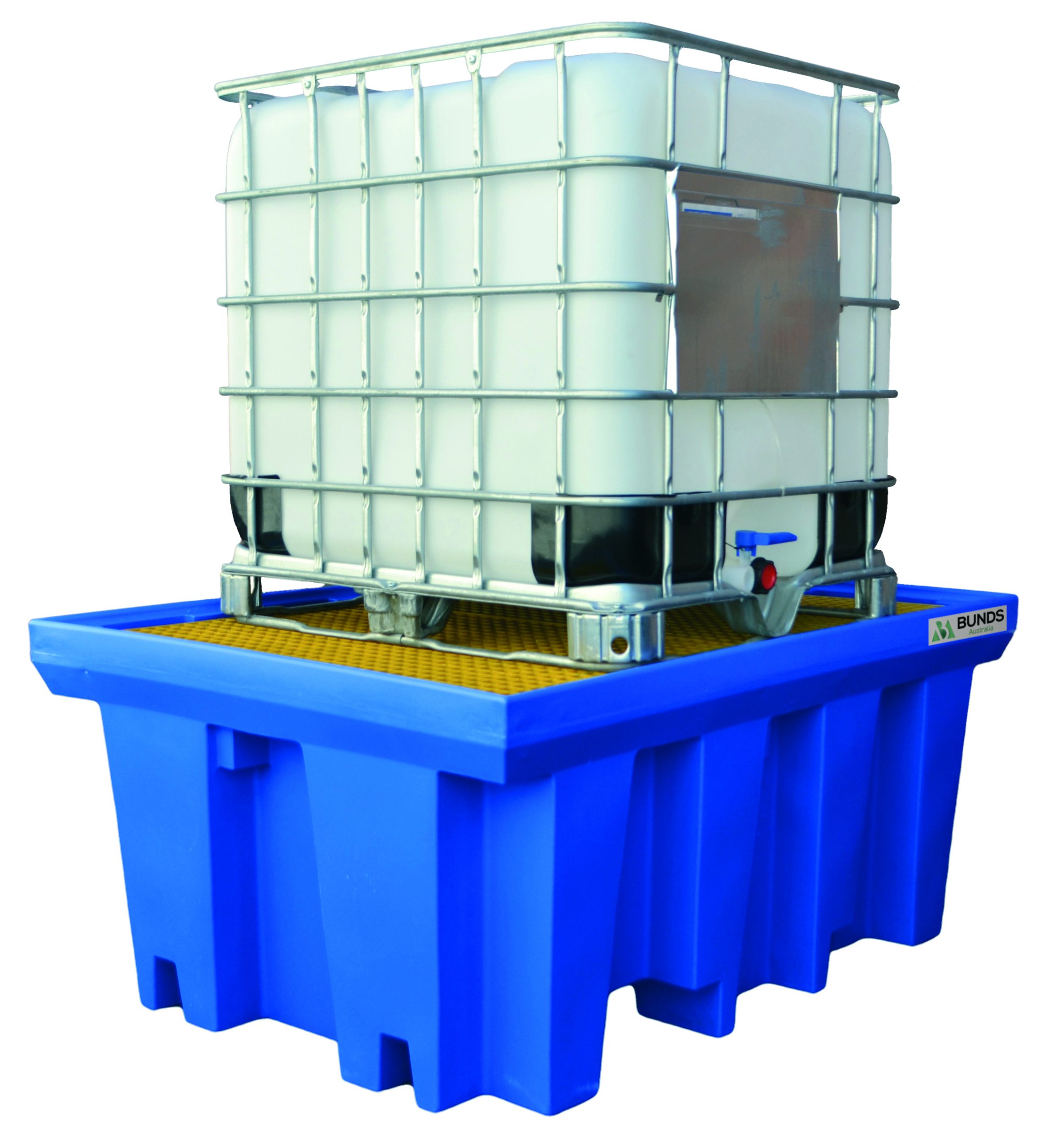
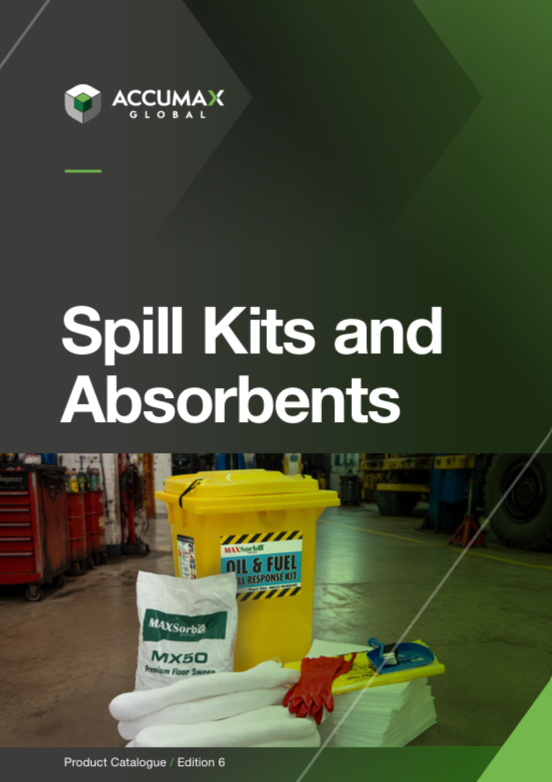
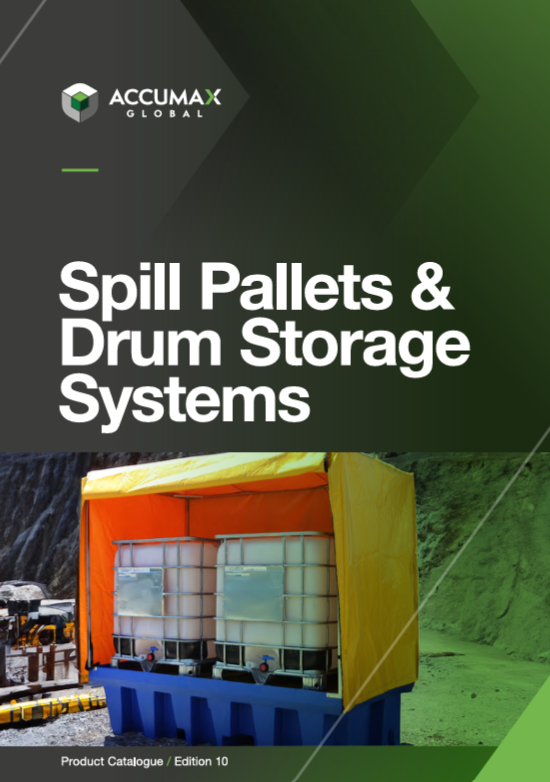
Spill kits, bunded pallets and dangerous goods storage help sites respond quickly and manage liquids more safely.
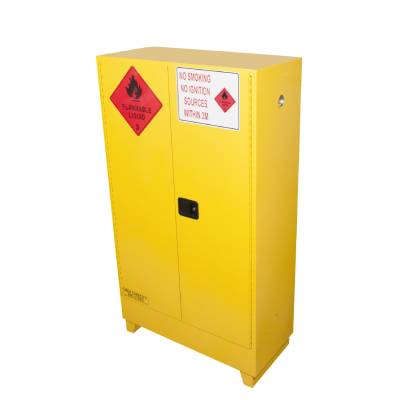
Common spill control products include spill kits for oil, fuel and general purpose liquids, bunded pallets for secondary containment, and storage cabinets for corrosive or hazardous substances. These products help support safer handling, storage and clean-up during maintenance work.
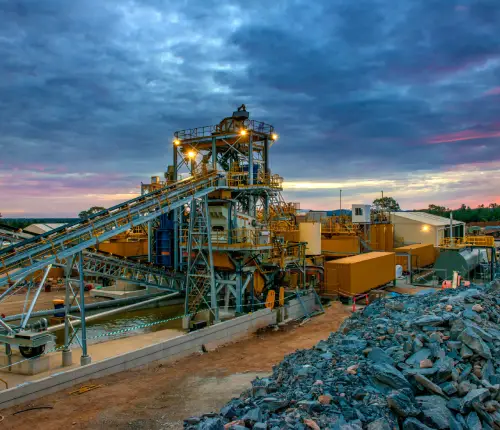
Yes. These solutions are suited to mining, industrial, plant maintenance and shutdown environments where site conditions can change quickly and practical safety controls are needed to improve visibility, manage access, support isolation and reduce spill risk.
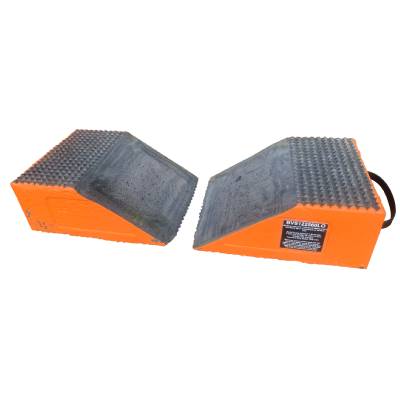
Many maintenance safety products are designed for fast deployment so teams can respond quickly to changing worksite conditions. Portable lighting, traffic control products, retractable barriers, lockout devices and spill kits can all be positioned and used as needed during shutdowns and temporary works.
Accumax supplies practical safety solutions that help operators improve visibility, manage exclusion zones, support compliant isolation procedures and respond to spill risks during maintenance work. By combining the right products for the task, sites can create safer, more controlled work environments.