Product Categories

Stackable HDPE Cribbing Blocks for Machinery Support.

Cribbing blocks provide temporary support and stability for heavy machinery, vehicles and equipment during maintenance, servicing and lifting work. Moulded from HDPE plastic, they stack to build a stable support base at the height required for the task. The range includes standard rectangular blocks in multiple sizes along with V-blocks for supporting round components.
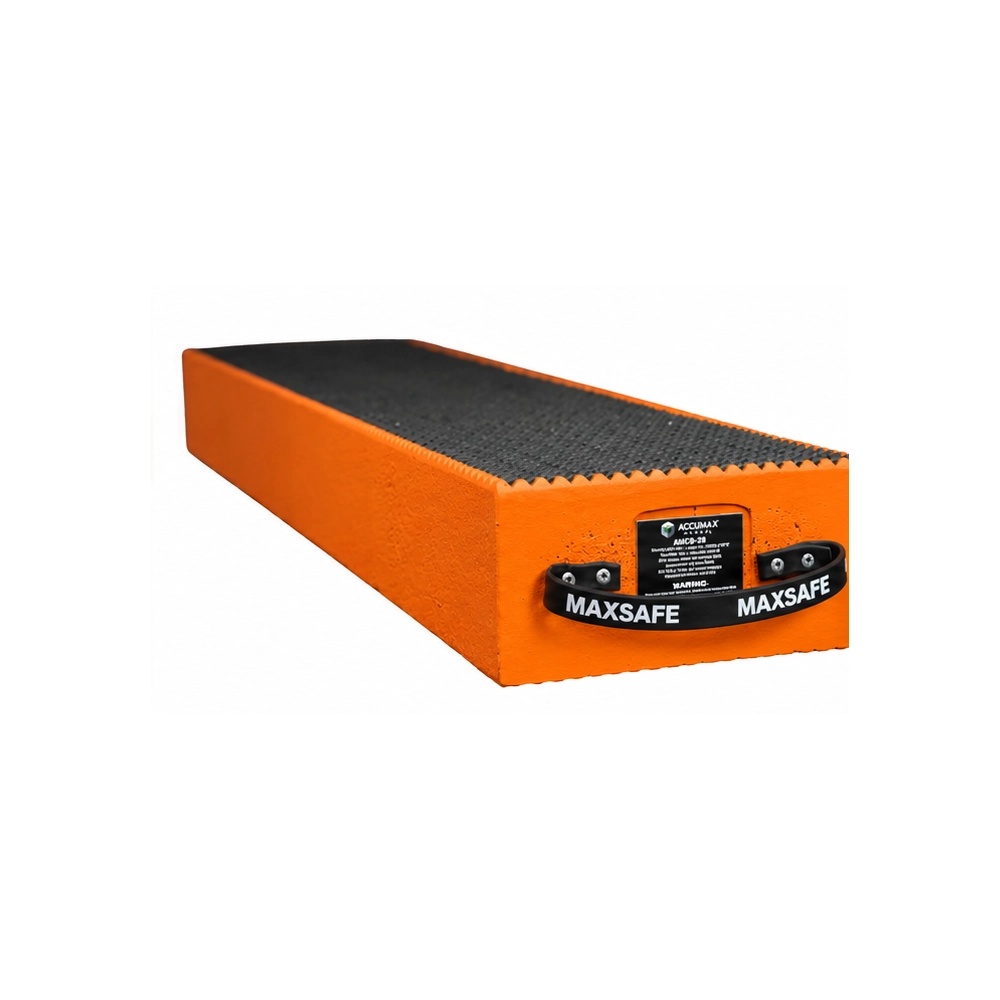
AMCB

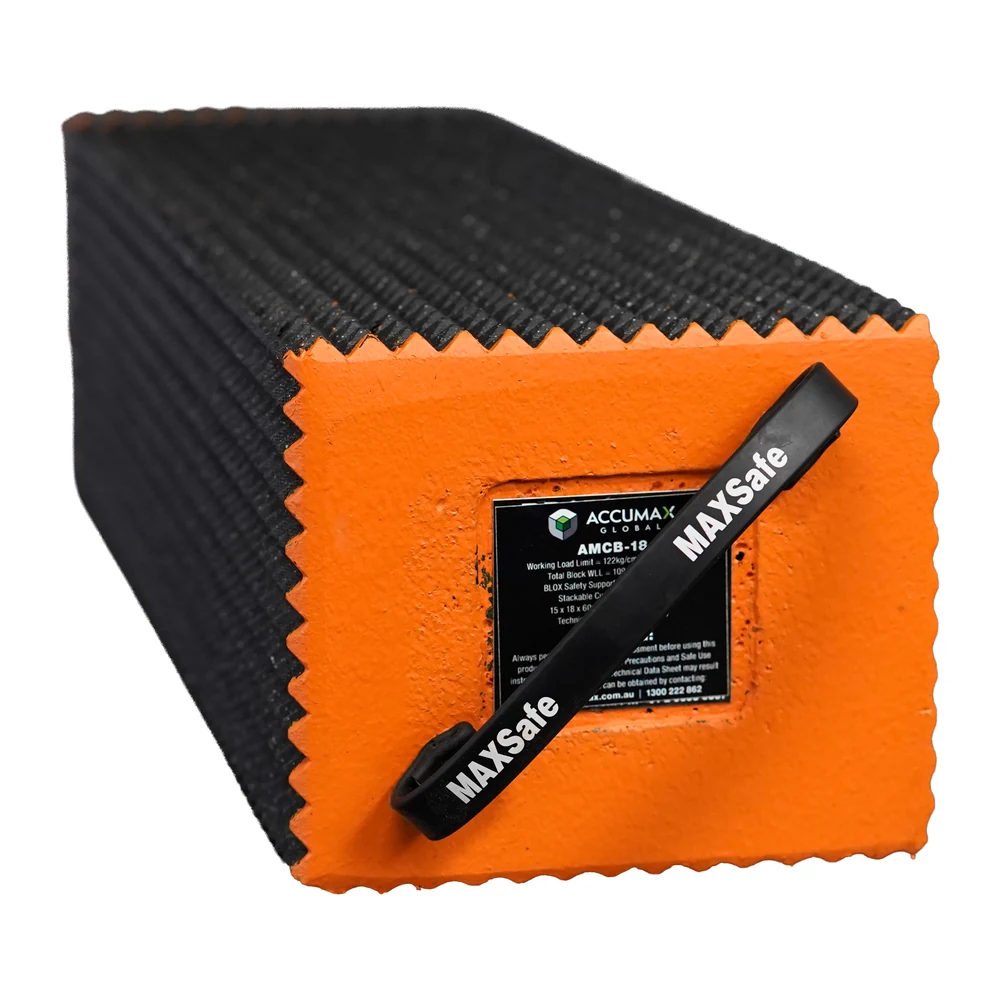
Cribbing Block – 600mm L

Price range: $97.50 through $790
AMCB-V

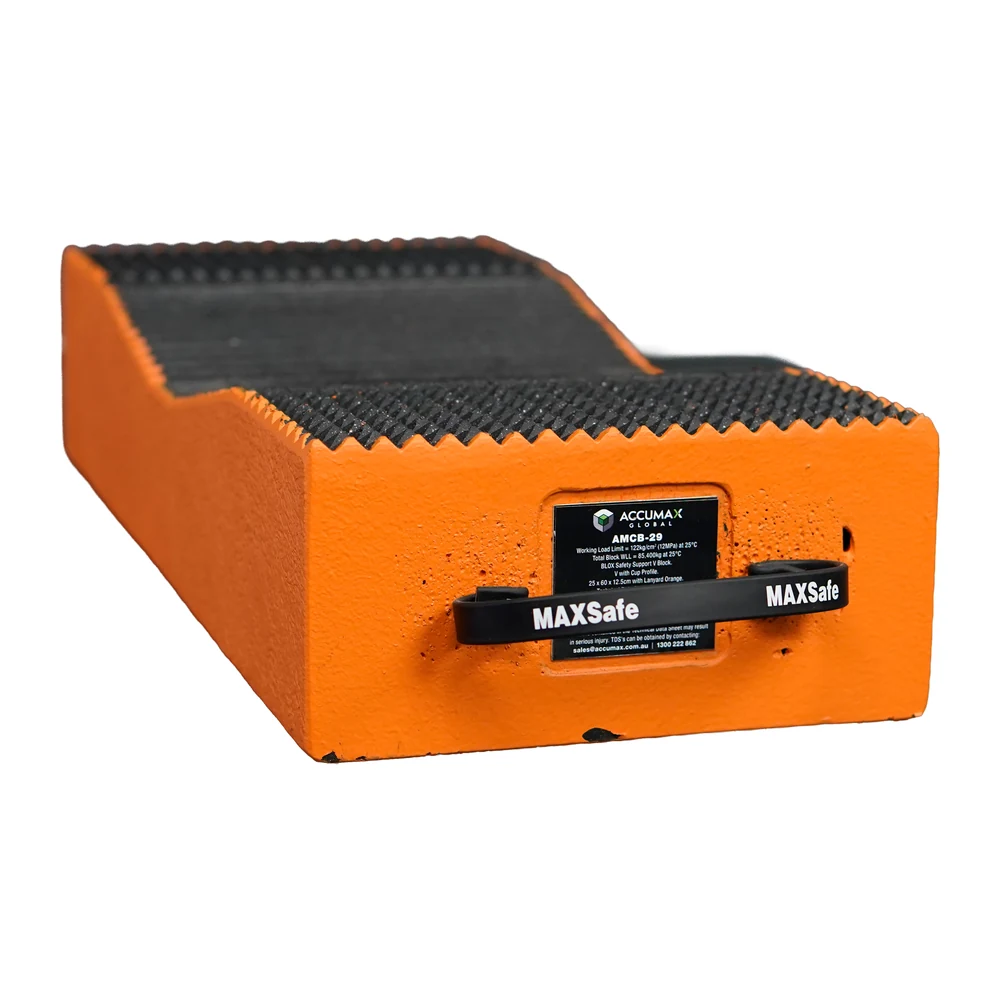
Cribbing Block – V-Block

Price range: $965 through $1,095

Temporary Machinery Support for Maintenance and Servicing

Our cribbing block range gives maintenance crews a reliable way to support heavy plant, vehicles and equipment while work is carried out underneath or alongside. Blocks are positioned and stacked to create a stable base at the required height, holding the load steady once it has been raised and taking the weight off jacks and lifting equipment during the job. Made from HDPE plastic, these blocks resist oil, fuel, hydraulic fluid and water absorption, so they will not soak up contaminants or rot and splinter the way timber cribbing can over time. They are also far easier to handle than steel blocks of a comparable size. The range covers several sizes so crews can build the height and footprint a job calls for, and V-blocks are shaped to cradle round components such as pipes, cylinders and shafts, holding them securely and stopping them from rolling. When selecting cribbing blocks, consider the weight of the load being supported, the height the support needs to reach, the size and shape of the contact surface and the ground conditions underneath. Blocks should always be used in line with the manufacturer's stated capacity and the safe work procedures that apply to the task. Plastic cribbing blocks offer a durable and practical option for supporting heavy loads while keeping maintenance areas safer and better organised.

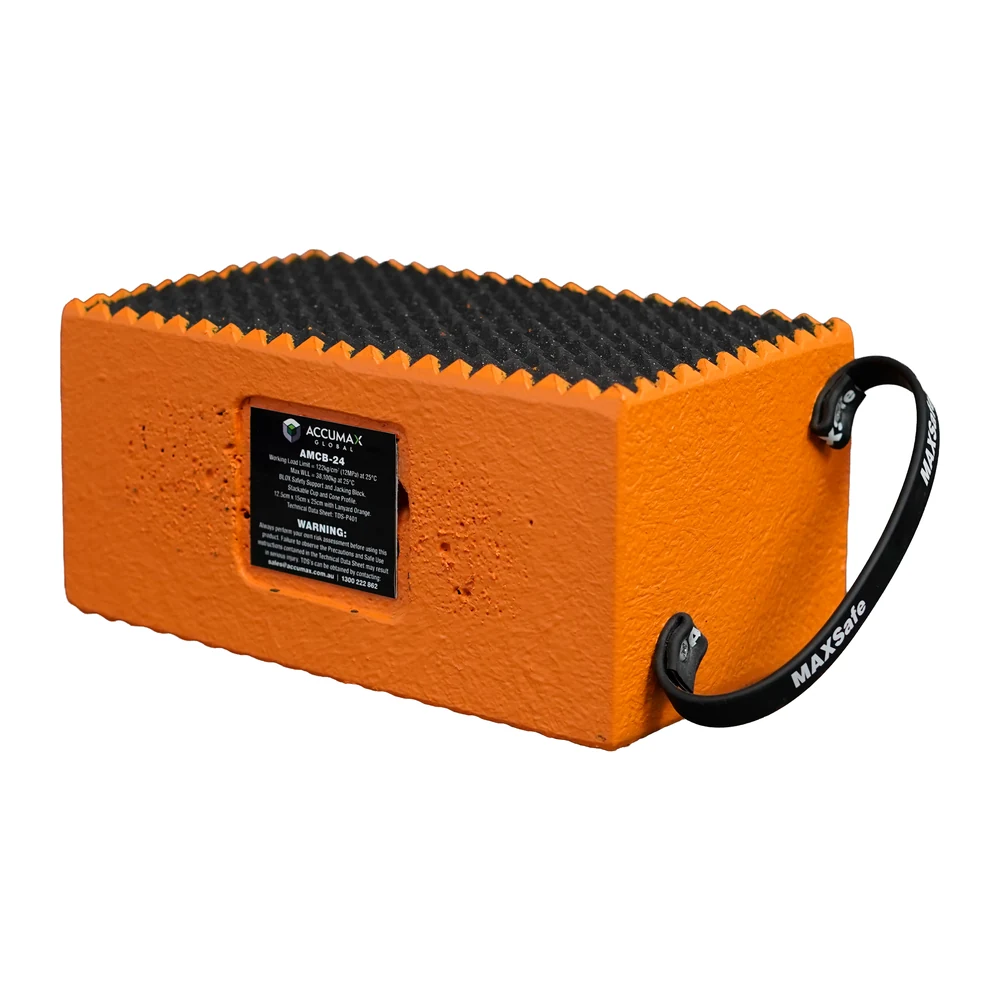
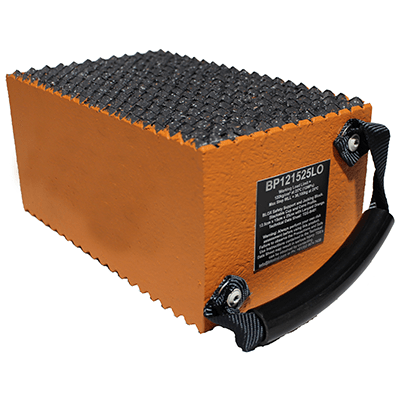
Small cribbing block in orange HDPE with slip resistant interlocking faces

Cribbing Blocks FAQs

Cribbing blocks provide temporary support and stability for heavy machinery, vehicles and equipment while maintenance or servicing work is carried out. They hold a raised load in position and take the weight off jacks and lifting equipment during the job.

HDPE plastic does not absorb oil, fuel or water, so the blocks will not rot, splinter or deteriorate from soaked-up contaminants the way timber can. They also wipe clean easily, which suits workshop and maintenance areas where fluid spills are common.

Yes. The blocks are made to be stacked so crews can build up to the height a job requires. Always follow the manufacturer’s guidance on stacking configuration and load capacity.

A V-block has a shaped recess that cradles round components such as pipes, cylinders and shafts. The profile holds the item securely and prevents it from rolling out of position.

The right size depends on the weight of the load, the height the support must reach and the size of the contact surface. Larger blocks spread load over a wider footprint, while smaller blocks suit tighter access and finer height adjustment.

Consider the load being supported, the required support height, the shape of the contact surface, the ground conditions underneath and how often the blocks will be moved. Confirm the rated capacity of the specific product suits the application and always use the blocks in line with your site’s safe work procedures.

Cribbing gives load-rated support for raised plant, so the task never relies on hydraulics or brakes to hold position. Match rated capacity to the load, inspect blocks before use, build on firm, level ground and pair with chocks and exclusion.

Verify at the point of risk, not on paper. Observe the task underway: locks applied, rated supports positioned, barriers on the failure path. Layer spot checks, handover checks and task observations. Treat improvised gear as a failure.

Check each block for cracks, deep gouges, deformation and worn faces, and confirm stacking surfaces sit flat together. Damaged blocks must be removed from service, not used at reduced load.

Yes, and that is the intended sequence. The jack raises the load, cribbing takes and holds the weight, then work begins. A jack alone should never support a load while anyone is underneath.

Need Help to Raise the Safety Standards on Your Site?

Our specialised team is here to assist with custom solutions and multi-site safety rollout.