Product Categories

Clear Control of People, Plant and Hazards

Barriers and barricades are critical safety controls used to separate people from hazards, manage vehicle and pedestrian movement, and clearly define restricted or controlled areas. In high-risk workplaces effective barrier systems help prevent unauthorised access, reduce collision risk and support safe systems of work.

MAXSafe barriers and barricades help teams move beyond warning signs – providing clear, physical control that raises the safety standard across every site.
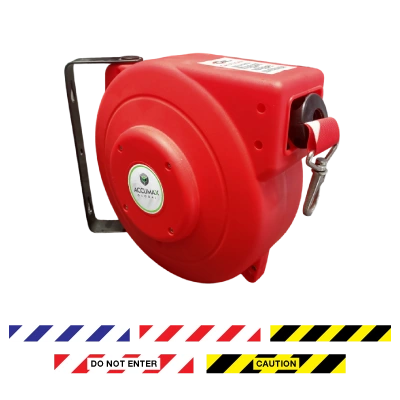
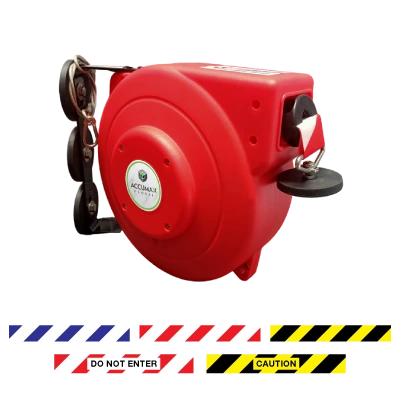
Defining safe zones, restricting access and reducing risk in dynamic work environments

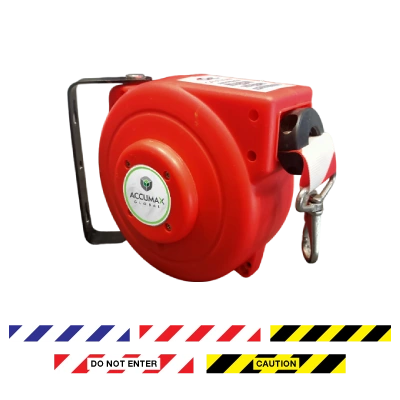
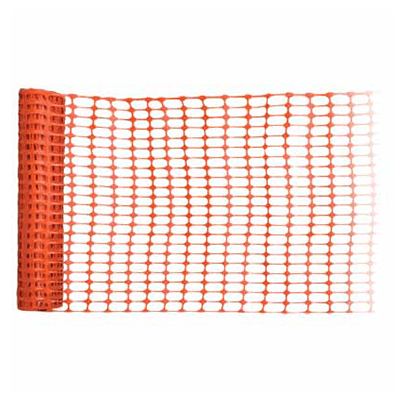
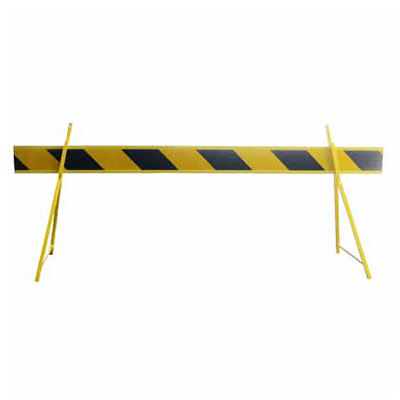
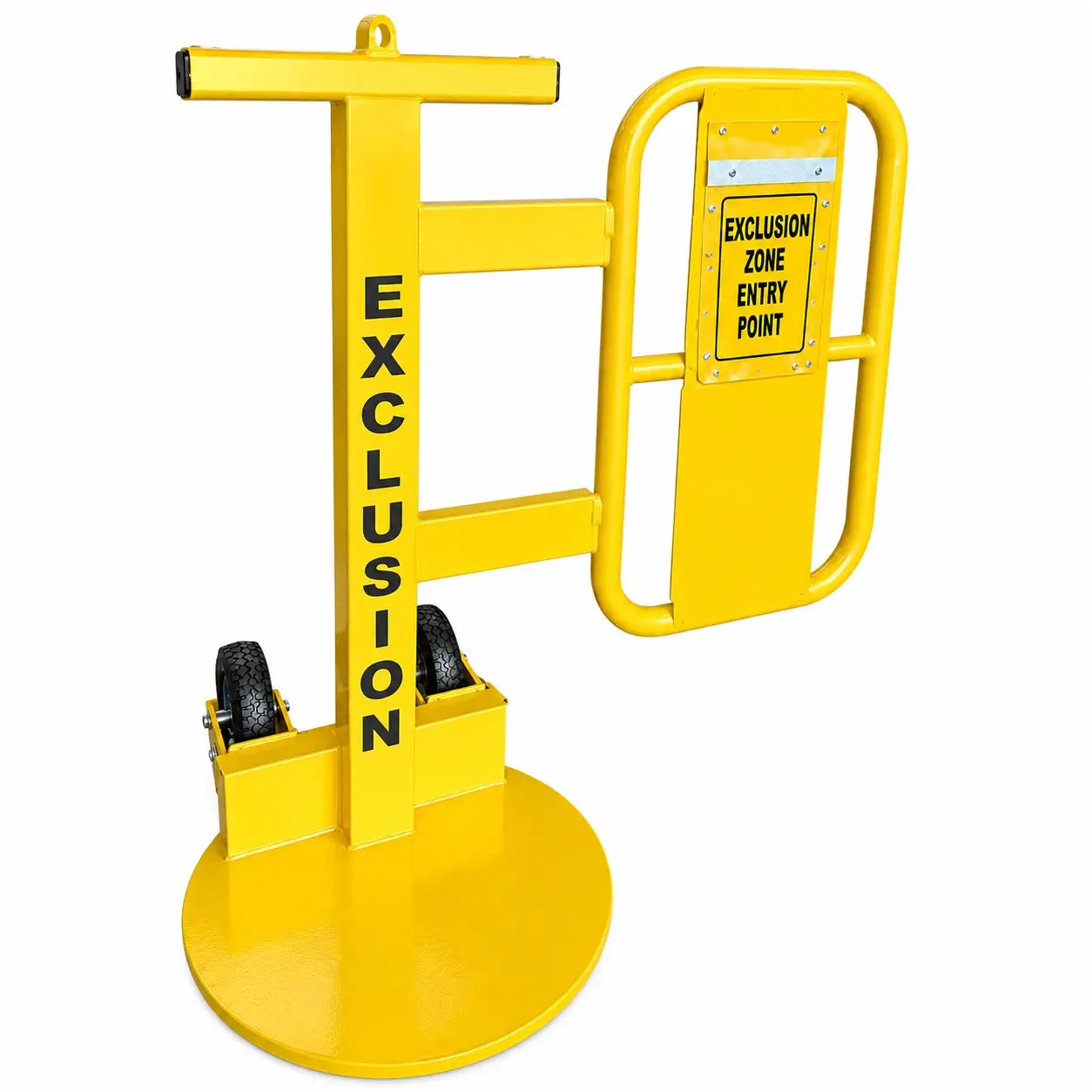
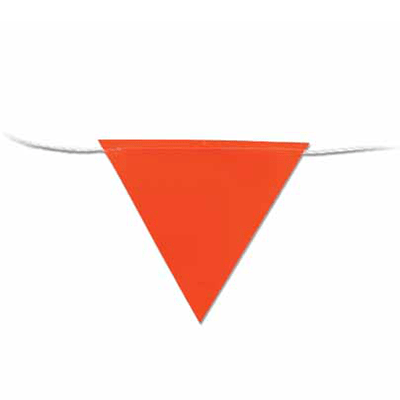
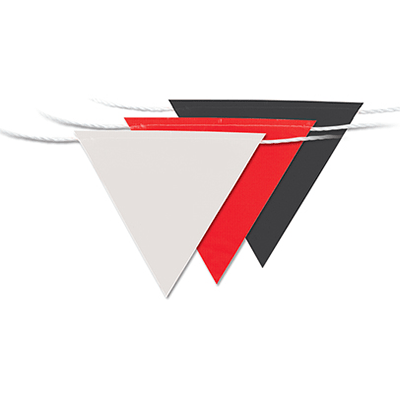
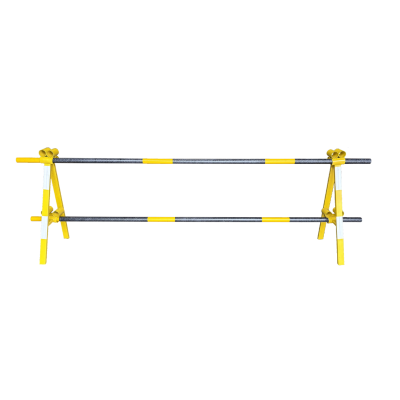
The MAXSafe barriers and barricades range includes A-frame barricades, fibre glass barricade poles, retractable safety barrier reels, mobile support stands, water-filled barriers, traffic cones and temporary access control solutions. Designed for rapid deployment and repeated site use, these products help teams establish clear physical and visual controls wherever work conditions change.

Clear Physical Separation

Barriers provide a visible and physical boundary between people, vehicles and hazards -reducing reliance on signage alone.

Designed for Dynamic Work Zones

Portable and modular systems allow fast setup, relocation and reconfiguration during shutdowns, maintenance and temporary works.

High-Visibility for Immediate Awareness

Bright colours, reflective elements and extended spans improve recognition in busy, low-light or high-traffic environments.

Flexible Solutions for Every Site

From compact workshop isolation to large-scale traffic and pedestrian control, the range scales to suit any site layout.

Supports Safe Access & Traffic Management

Helps control entry points, define walkways and guide vehicle movement in line with site safety procedures.

Built for Mining Conditions

Durable construction ensures reliable performance in workshops, warehouses, construction sites, processing plants and outdoor environments.

Barriers & Barricades FAQs

Barriers and barricades are used to restrict access to hazardous areas, control pedestrian and vehicle movement, isolate work zones and prevent unauthorised entry during maintenance or high-risk activities.

Barricades typically provide visual and physical warning (such as A-frames or cones), while barriers are often used to physically block or control access (such as retractable reels or water-filled barriers). Most sites use a combination of both.

Yes. Many barrier systems are designed for rapid deployment and relocation, making them ideal for shutdowns, breakdowns, roadworks and changing work fronts.

High-visibility colours and reflective elements are strongly recommended, especially in areas with vehicle movement, low light or multiple access points. Visibility improves hazard recognition and reduces incident risk.

Barriers should be positioned:

  • Around active work zones and hazards
  • At restricted access points
  • Along pedestrian walkways and vehicle routes
  • In areas where work conditions change frequently

Correct placement is key to effective risk control.

Physical access controls help enforce site rules, support traffic management plans and demonstrate proactive hazard control—key elements of safe systems of work and WHS compliance.

Need Help to Raise the Safety Standards on Your Site?

Our specialised team is here to assist with custom solutions and multi-site safety rollout.